
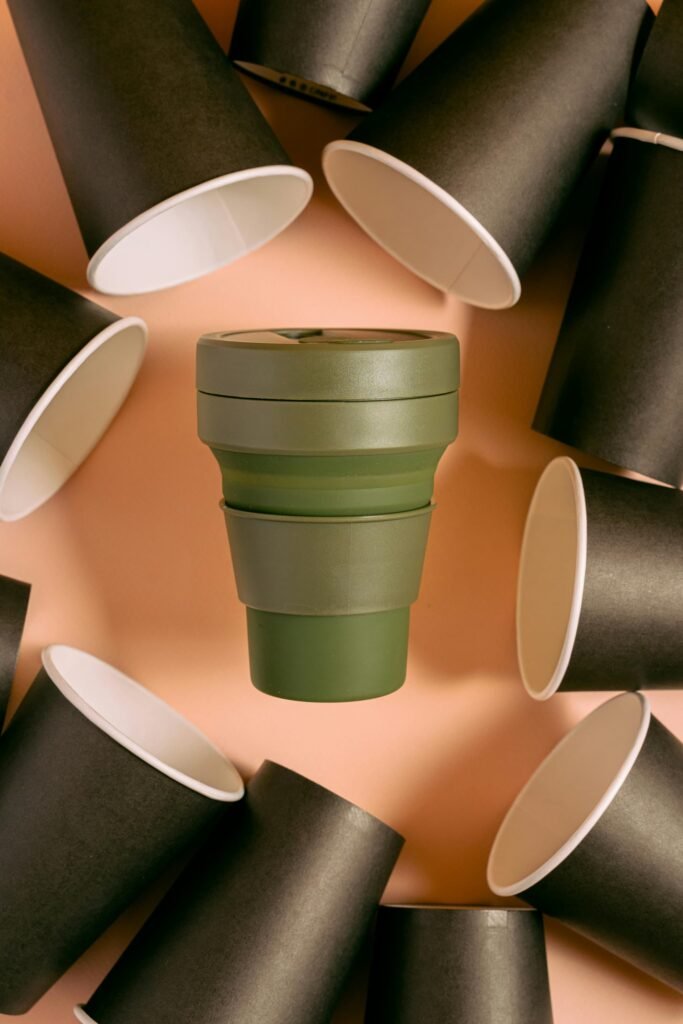
Have you ever wondered about the materials in your eco-friendly products? Is silicone plastic, or something entirely different? As sustainability-conscious consumers, it’s crucial to understand the materials we use daily. Let’s explore the world of silicone and plastic together, uncovering their properties and helping you make informed choices for a more sustainable lifestyle.
The Nature of Silicone: More Than Meets the Eye
Debunking the Natural Silicone Myth
Many believe silicone is natural due to its silicon content, which is found abundantly in sand and rock. However, silicone is 100% synthetic. It’s created through a complex industrial process that bonds silicon with hydrocarbons, resulting in a man-made material with unique properties.
This misconception often leads to confusion about silicone’s environmental impact. While it’s not natural, its synthetic nature doesn’t necessarily make it harmful. Understanding silicone’s true origins helps us better evaluate its place in our eco-friendly efforts.
Silicone’s Unique Composition
Unlike plastic’s carbon-based polymers, silicone has a backbone of alternating silicon and oxygen atoms, with hydrogen and hydrocarbon side chains. This distinctive structure gives silicone its remarkable properties:
- Flexibility: Silicone can bend and stretch without breaking, making it ideal for various applications.
- Heat resistance: It can withstand high temperatures without degrading or releasing toxic fumes.
- Chemical stability: Silicone doesn’t react easily with other substances, making it safe for food contact and medical use.
These properties stem from the strength of the silicon-oxygen bonds, which are more stable than the carbon-carbon bonds found in plastics. This stability contributes to silicone’s durability and resistance to degradation.
Is Silicone a Plastic or Something Else?
A Versatile Hybrid Material
Silicone blends qualities of both rubber and plastic, making it incredibly versatile. Its rubbery nature provides flexibility and elasticity, while its moldability offers classic plastic-like characteristics. This unique combination allows silicone to fill a niche between traditional rubbers and plastics.
In many applications, silicone can replace both rubber and plastic, offering improved performance and longevity. For example, in kitchenware, silicone spatulas combine the heat resistance of rubber with the durability of plastic.
Standout Silicone Qualities
Silicone boasts impressive features that set it apart from both rubber and plastic:
- Extreme temperature resistance: It can withstand temperatures from -50°C to 300°C without losing its properties.
- Chemical stability: Silicone doesn’t react with most chemicals, making it safe for various environments.
- Gas permeability: Unlike plastic, silicone allows gases to pass through, which can be beneficial in certain medical and industrial applications.
These properties make silicone ideal for various applications, from cookware to medical devices. According to Health Canada, silicone’s stability and inertness contribute to its safety in food-contact applications, making it a popular choice for kitchen utensils and food storage containers.
Silicone vs. Plastic: A Detailed Comparison
Durability and Lifespan
When it comes to longevity, silicone often outperforms traditional plastics. While plastic tends to degrade and release microplastics over time, silicone maintains its integrity for much longer periods. This durability contributes to more sustainable product creation and reduces the need for frequent replacements.
For example, a silicone kitchen spatula can last for years without degrading, whereas a plastic one might need replacement much sooner due to melting, warping, or breaking. This longevity not only saves resources but also reduces waste in the long run.
Environmental Impact
Both materials present recycling and biodegradability challenges, but their environmental impacts differ significantly. Plastic, especially single-use items, has become a major environmental concern due to its persistence in ecosystems and its tendency to break down into harmful microplastics.
Silicone is not biodegradable and does not break down in the same way as traditional plastics, which often fragment into microplastics. While this means silicone does not contribute directly to microplastic pollution, its long-term environmental impact is still being studied. Responsible disposal and potential recycling solutions remain important factors in evaluating silicone’s sustainability.
The European Chemicals Agency is currently assessing the environmental impact of siloxanes, the building blocks of silicone, to better understand their long-term effects. This ongoing research will provide valuable insights into silicone’s overall environmental footprint.
Safety Concerns: Is Silicone Toxic to Humans?
A common question is, “Is silicone toxic to humans?” Generally, high-quality, food-grade silicone is considered safer than many traditional plastics. It’s non-toxic and free of chemicals like BPA, phthalates, and other plasticizers that have raised health concerns.
Research suggests that high-quality, food-grade silicone generally does not leach chemicals or off-gas at normal temperatures. Due to this stability, silicone is widely considered safe for food contact, medical applications, and baby products. However, product quality can vary, and not all silicone items meet the same safety standards. It is recommended to choose certified food-grade or medical-grade silicone for optimal safety
Caution is needed with lower-quality silicone products, as they may contain fillers that can leach out, especially when exposed to high heat. Always choose high-quality, food-grade silicone for items that will come into contact with food or be used at high temperatures.
Silicone in Our Everyday Lives
Practical Applications
Silicone has become ubiquitous in our daily lives, appearing in a wide range of products:
- Kitchenware: Bakeware, utensils, food storage containers, and even reusable straws
- Baby products: Bottles, pacifiers, teething toys
- Industrial sealants: Used in construction and automotive industries
- Medical devices: Tubing, implants, and prosthetics
Its non-stick properties and easy cleaning make it a favorite in kitchens worldwide. For families, silicone offers safe, practical solutions for childcare products, providing durability and peace of mind.
In the medical field, silicone’s biocompatibility makes it an excellent choice for implants and prosthetics. Its flexibility and durability allow for comfortable, long-lasting medical devices that improve patients’ quality of life.
Is All Silicone Safe?
While high-quality silicone is generally safe, not all silicone products are created equal. Scientific American reports that silicone cookware is typically safe when used as directed. However, they caution against using damaged or low-quality products that may contain fillers.
The safety of silicone largely depends on its purity and the manufacturing process. High-quality, medical-grade silicone undergoes rigorous testing and meets strict safety standards. However, lower-grade silicone products may contain additives or fillers that could potentially leach harmful substances.
Making Informed Choices: Silicone Shopping Tips
When shopping for silicone products, look for:
- Certifications from reputable organizations (FDA, LFGB): These certifications ensure the product meets safety standards for food contact and other applications.
- Trusted brand names known for quality: Established brands often have stricter quality control measures and are more likely to use high-grade silicone.
- The “pinch test” for purity: High-quality silicone won’t change color when pinched. If you see white streaks when twisting the silicone, it may contain fillers.
- Proper labeling: Look for products clearly labeled as “100% silicone” or “food-grade silicone” for kitchen and food storage items.
Always follow manufacturer guidelines, especially regarding heat exposure, to ensure safe use of silicone products. Avoid using silicone products at temperatures higher than recommended, as extreme heat can potentially cause degradation.
The Future of Materials: Beyond Silicone and Plastic
As awareness of plastic pollution grows, researchers are exploring new materials and recycling technologies. From bioplastics derived from plant materials to improved silicone recycling methods, the future of sustainable materials looks promising.
Innovations in material science are focusing on creating alternatives that combine the best properties of silicone and plastic while minimizing environmental impact. For example, some researchers are developing biodegradable silicone-like materials that could offer the same functionality with improved end-of-life outcomes.
Additionally, advancements in recycling technologies may soon make it possible to efficiently recycle silicone products, further improving their sustainability profile. While these technologies are still in development, they offer hope for a future where we can enjoy the benefits of versatile materials without compromising environmental health.
Conclusion: Empowering Your Choices
In conclusion, while silicone and plastic share some similarities, they have unique properties, advantages, and environmental impacts. Silicone, with its durability, heat resistance, and chemical stability, offers many benefits over traditional plastics in numerous applications. However, it’s not a perfect solution to our plastic problem.
By understanding these nuances, you can make mindful choices that balance functionality, safety, and sustainability. When choosing between silicone and plastic products, consider factors such as:
- The intended use of the product
- Its expected lifespan
- The potential for recycling or reuse
- The quality and safety certifications of the material
Remember, every eco-friendly swap contributes to a healthier planet and home. While no material is perfect, informed choices can significantly reduce our environmental impact.
What’s your experience with silicone products? Have you made the switch from plastic in any areas of your life? We’d love to hear your thoughts and tips in the comments below! Share your successes, challenges, and any innovative silicone products you’ve discovered on your journey to a more sustainable lifestyle.