
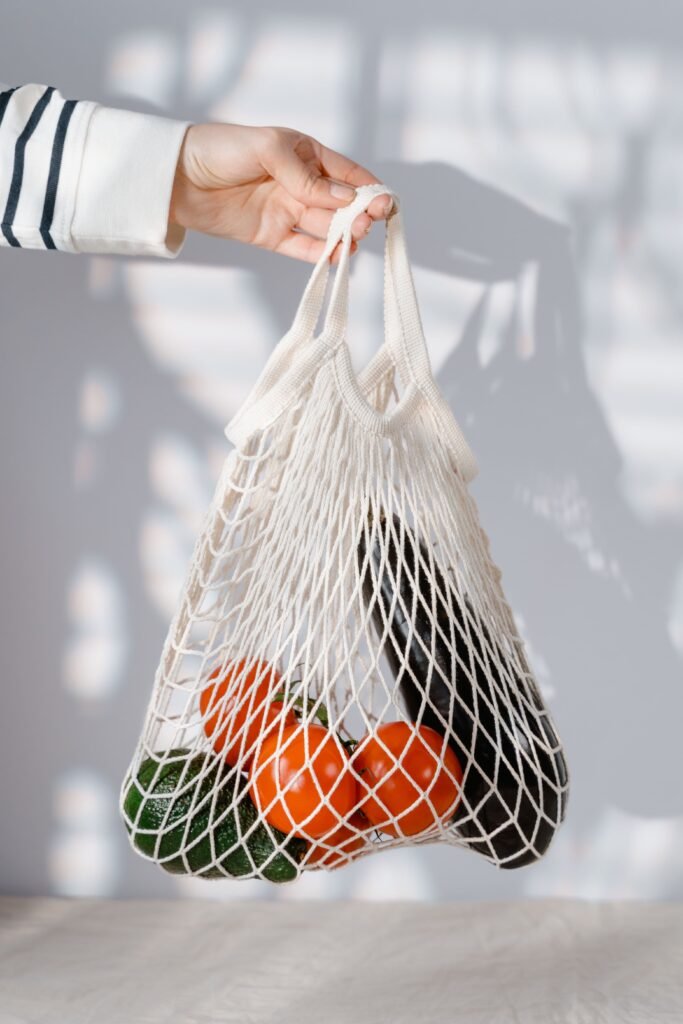
Building sustainable living habits doesn’t have to be overwhelming. If you’ve ever wondered why some people make eco-friendly living look effortless while you’re still struggling to remember your reusable bags, the secret might lie not in what they’re doing, but in how they’re building their habits. Let me share how James Clear’s “Atomic Habits” transformed my approach to developing sustainable living habits.
The Sustainability Journey We All Know Too Well
Picture this: It’s another Monday morning, and you’re determined that this will be the week you finally go zero-waste. You’ve bought all the mason jars, invested in those aesthetic produce bags, and downloaded three different composting apps. Fast forward to Friday, and you’re grabbing takeout in plastic containers, feeling guilty about your carbon footprint.
I remember the day I hit my sustainability rock bottom. There I was, standing in my kitchen, surrounded by plastic packaging from my latest grocery haul, feeling like an eco-failure. My Instagram feed was full of perfectly curated zero-waste pantries, while my recycling bin was overflowing with Amazon packaging. Something had to change.
That’s when I stumbled upon “Atomic Habits” by James Clear. Initially, I wasn’t looking for sustainability advice – I was actually trying to build a consistent workout routine (another story for another day!). But as I dove into the book’s principles, a lightbulb went off. This wasn’t just about productivity – it was a blueprint for transforming any aspect of life, including sustainable living.
“You do not rise to the level of your goals. You fall to the level of your systems.” – James Clear
Why Traditional Sustainable Living Advice Falls Short
While many guides focus on what sustainable living habits to adopt, few address how to make them stick. Most sustainable living guides focus on swaps and tips (like these eco-friendly practices). While useful, they miss something crucial: the psychology of habit formation.
Let me share a story that illustrates this perfectly. My friend Sarah, a passionate environmentalist, once gifted everyone in our friend group zero-waste starter kits for Christmas. Beautiful bamboo utensils, stainless steel straws, organic cotton produce bags – the works. Three months later, only one person was actually using them regularly. The rest? Gathering dust in various kitchen drawers. The intention was there, but the habit wasn’t.
The Four Laws of Atomic Habits for Sustainable Living
1. Make It Obvious
Instead of: “I should reduce plastic waste”
Try: “I’ll place reusable bags by my front door and in my car”
Pro tip: Create a “sustainability station” in your home where all your eco-friendly items live. Mine includes:
- Reusable bags
- Water bottle
- Coffee cup
- Produce bags
- Container for composting
My sustainability station started as a messy corner in my entryway. Now it’s evolved into what my friends jokingly call my “Earth Shrine” – a beautifully organized space that makes grabbing my eco-essentials as natural as picking up my keys.
2. Make It Attractive
Instead of: “I have to give up convenience”
Try: “I get to be part of the solution”
Mindset shift: Document your sustainable journey on social media. Share your wins, connect with like-minded people, and make it fun!
[Insert suggested image: A beautiful, minimalist sustainable kitchen setup]I started an Instagram account to document my journey, including the failures. My favorite post? The time I forgot my reusable produce bags and ended up carrying loose apples in my shirt like a makeshift pouch. It got more engagement than any of my “perfect” zero-waste photos!
3. Make It Easy
Instead of: “I need to overhaul my entire lifestyle”
Try: “I’ll start with one tiny change”
My Personal Example:
I started with a “2-minute sustainable rule” – inspired by Clear’s 2-minute rule:
- Want to start composting? Just collect coffee grounds for 2 minutes
- Thinking about plastic-free shopping? Start with just one item
- Interested in reducing energy? Turn off one unused light
4. Make It Satisfying
Instead of: “I’ll see results in 20 years”
Try: “I’ll track my daily wins”
Habit Tracker Idea:
Create a simple chart tracking:
- Pieces of plastic avoided
- Meatless meals enjoyed
- Water bottles not bought
- Energy saved
The Identity Shift: From Doing to Being
Developing sustainable living habits isn’t just about actions – it’s about becoming someone who naturally makes earth-conscious choices. Here’s where “Atomic Habits” really shines for sustainable living. Clear emphasizes that lasting change comes from identity change. It’s not about checking boxes; it’s about becoming someone who cares for the planet.
[Insert suggested meme: “Identity > Goals” with a funny eco-twist]Small Changes, Big Impact
Remember: every sustainable choice you make is a vote for the kind of world you want to live in. Some tiny habits I’ve built:
- Morning routine: Check reusables before leaving home
- Shopping ritual: Ask “Do I need this?” three times
- Evening practice: Quick energy audit of the house
Making It Work in Real Life
Let me take you through a typical week in my life after implementing these habits. It’s not perfect, but it’s real, and it works.
Monday Morning Market Run
I used to dread grocery shopping because I’d either forget my bags or feel overwhelmed by all the packaging decisions. Now, my Monday morning routine is almost meditative. My reusable bags live in my car (obvious), I have a standing date with my favorite local vendor who knows I’m bringing my own containers (attractive), I shop at off-peak hours to avoid the rush (easy), and I track my plastic-free purchases in my habit app (satisfying).
The Office Challenge
Working in a traditional office presented its own challenges. Instead of trying to overhaul the entire office culture, I started tiny. I brought in my own cute coffee mug (obvious), decorated it with stickers that sparked conversations (attractive), kept it at my desk (easy), and tracked how many disposable cups I saved (satisfying). Within three months, five of my coworkers had their own mugs too!
The Social Scene
Perhaps the biggest challenge was maintaining sustainable habits while socializing. Here’s how I navigated it:
Restaurant Outings
- Before: Awkwardly refusing straws and feeling like the “difficult” one
- After: Created a fun “sustainable dining kit” with metal straws, cutlery, and a collapsible container for leftovers. Made it a conversation starter rather than a burden.
Birthday Gifts
- Before: Reluctantly buying wrapped presents
- After: Became known as the “experience gift” friend. Started a trend in my friend group of giving museum memberships, concert tickets, and cooking classes.
House Parties
- Before: Disposable everything
- After: Turned sustainable hosting into my signature style with thrifted cloth napkins, real plates, and a composting station that became a talking point.
The Travel Test
Maintaining sustainable habits while traveling was my ultimate challenge. Here’s my system:
Preparation Phase:
- Pack multi-purpose items (a scarf that works as a blanket, shopping bag, and picnic mat)
- Research local zero-waste shops at my destination
- Download offline maps to reduce battery usage
During Travel:
- Use my “sustainability kit” (water bottle, cutlery, snack containers)
- Practice the “leave no trace” principle
- Document sustainable finds for future travelers
Return Home:
- Assess what worked and what didn’t
- Update my travel kit accordingly
- Share lessons learned with my sustainable living community
Common Challenges and Solutions
Forgetting Reusables
- Old way: Beat yourself up
- Atomic way: Create obvious cues and backup plans
Real-life example: I keep a compact shopping bag in every coat pocket and bag I own. Yes, it was an investment, but it removed all excuses.
Feeling Overwhelmed
- Old way: Try everything at once
- Atomic way: Focus on one small habit at a time
My journey: Month 1 – Reusable bags, Month 2 – Added water bottle, Month 3 – Started composting… slow but steady progress.
Losing Motivation
- Old way: Rely on willpower
- Atomic way: Design your environment for success
Example: I rearranged my kitchen to make my zero-waste tools more accessible than disposable options.
Your Next Steps
Ready to develop sustainable living habits that stick? Start here:
- Choose one tiny sustainable habit
- Make it obvious in your environment
- Stack it with existing habits
- Track your progress
- Celebrate small wins
Remember that sustainable living habits, like any meaningful change, take time to develop. The most surprising outcome of this journey wasn’t just the reduced waste or smaller carbon footprint – it was the community I found along the way. Through sharing both my successes and struggles, I’ve connected with like-minded individuals who understand that sustainable living isn’t about perfection; it’s about progress.
Join the Conversation
What sustainable habits are you working on? Share your journey and join our community of mindful planet-lovers. Together, we can make eco-friendly living second nature.
External resources: